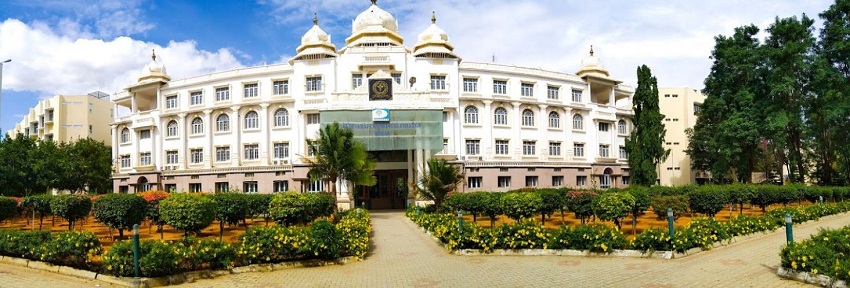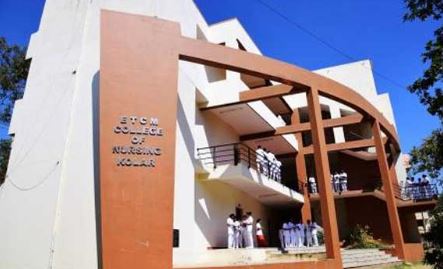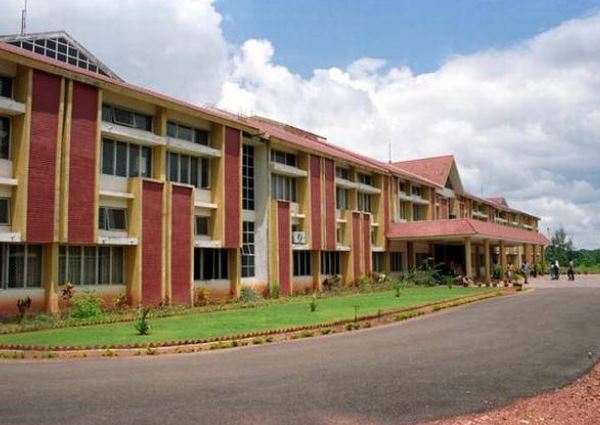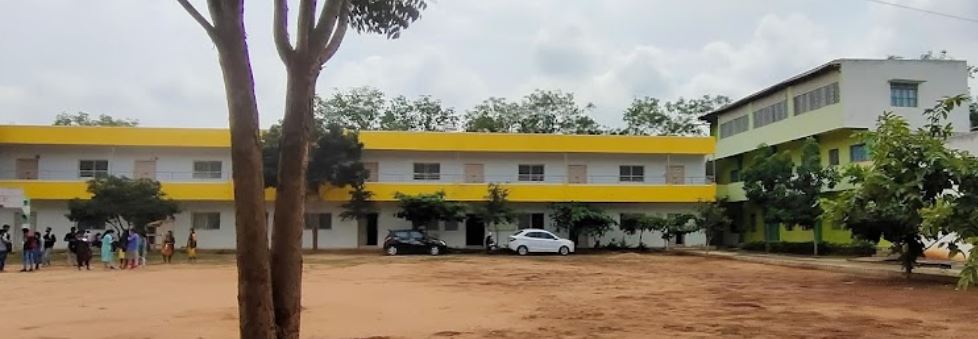

Sri Devraj Urs Academy of Higher Education and Research Kolar Karnataka Sri Devaraj Urs Academy of Higher Education and Research comprising Sri Devaraj Urs Medical College under the aegis of Sri Devaraj Urs Educational Trust for Backward Classes, Kolar, is a Deemed to be University declared Under section 3 of UGC Act, 1956, vide Notification No.F.9-36/2006-U.3(A) Dt. 25th May 2007, MHRD, Government of India. The establishments of the University and the constituent institution are co-located at Tamaka village, Kolar and spread over more than 72 acres of lush green campus with several buildings to accommodate the medical college, administrative offices, teaching/training facilities, hospital and hostels with a total built up area of over 1.17 lakh sq mtrs. Currently, the university has two faculties of studies viz; Faculty of Medicine and Faculty of Allied Health Sciences. The medical college conducts Under Graduate Degree (MBBS), Post Graduate Degrees (M.D./M.S.), Post Graduate Diploma courses, Doctoral Programmes in Anatomy, Physiology, Biochemistry, Microbiology, Pathology, Ophthalmology , E.N.T. and Fellowship Programmes in Head and Neck Surgical Oncology as well as Oral surgical Oncology. The University has developed regulations, curricula/syllabi for MBBS, Postgraduate (M.D./M.S.) and Postgraduate Diploma Courses as per the policy guidelines laid down by the Medical Council of India, New Delhi. While core curriculum as per regulatory bodies is retained, modifications of curriculum required are done after obtaining feedback from the stakeholders. The university has established a Department of Medical Education (UDOME) to train the trainers in the processes of curriculum development as well as teaching learning and evaluation modalities. All the Undergraduate and Postgraduate courses offered under the Faculty of Medicine are recognized by Medical Council of India. The college is also recognized by the Malaysian Medical Council since the academic year 2009-10.
Courses Offered
Certificate Course
Course
Certificate Course in Blood Bank Technology
Blood Bank Technicians checks the quality and safety of the blood donated by the donor. They work under the supervision of a medical or clinical technologist or manager.
Duration
Duration of Certificate Course in Blood Bank Technology is of 6 months.
Eligibility Criteria
10+2/PUC science/ diploma in MLT/ B.Sc. MLT
10th standard /PUC/Diploma (Only for Certificate course in Home care Nursing).
This program trains students to draw blood specimens, via venipuncture and skin puncture, to aide doctors in the diagnosis and/or treatment of patient’s health issues. This short-term program with institutionally-organized, hands-on clinical training can lead to a life-long career as a phlebotomist. It can serve as a springboard into other occupations such as a Medical Assistant, Medical Laboratory Technician, Licensed Practical Nurse, or a Registered Nurse. Phlebotomy technicians assist patients with the collection of blood and other clinical specimens.
Duration
Duration of Certificate Course in Phlebotomy Technology is a 4 to 6 months programme.
Eligibility Criteria
10+2/PUC science/ diploma in MLT/ B.Sc. MLT
10th standard /PUC/Diploma (Only for Certificate course in Home care Nursing).
The objective of this fellowship is to promote and develop leaders in the field of academic head and neck surgical oncology and reconstruction. Emphasis is on broad clinical training, including all aspects of head and neck surgical oncology and reconstruction. Fellows will have a faculty appointment at the Instructor level that includes a mentored experience focused on a transition to independence. In particular, fellows develop skills in clinical teaching within the context of our residency program.
Duration
Post Doctoral Fellowship Programme in Head and Neck Surgical Oncologyis a two-year course.
Doctorate of Medicine (MD) in Anatomy is a 3- year full- time program, essentially about the structure of the human body. The course primarily covers subjects such as gross and regional anatomy, anthropology, myology, osteology, systematic anatomy, Neuroanatomy, applied and clinical anatomy, general and systematic embryology, comparative embryology, principles of genetics, general histology, histology of organs and structure, staining techniques, outline of evaluation, comparative anatomy, physical anthropology, radiological anatomy, surface anatomy, and surface marketing of human body, including all descriptions and communications about the body. Anatomists work alone or as part of a team. Anatomists who teach should be able to explain complex concepts in simple terms. Those into research need to be precise and careful. Students are trained on an advanced level on the structure of the human body from the gross to the molecular level, and on the basic principles of normal human growth.
Eligibility
Candidates should have obtained an MBBS Degree from an institution recognized by the Medical Council of India (MCI).
Duration
Doctorate of Medicine (MD) in Anatomy is a 3- year full- time program.
MD Physiology Course Covers Human Anatomy And Physiology Includes Basic Biochemistry, Anatomical Terminologies, Cells And Tissues, Muscular, Skeletal, Endocrine, Nervous, Cardiovascular, Urinary, Immune, Digestive, Respiratory, And Reproductive Systems. In This Course, Students Learn About Common Human Disease Processes. They Also Learn Non-Science Majors And Allied-Health Subjects.
Duration
Doctorate of Medicine (MD) in Physiology is a 3- year full- time program.
Eligibility
Candidates Who Have Completed MBBS Or An Equivalent Degree From A Recognized University Are Eligible For MD Physiology Course.
Candidates Who Have 55% Of Marks In MBBS Degree Or An Equivalent Degree Are Also Eligible.
Higher Studies
Candidates Who Would Like To Study Further Can Go For A Ph.D. Physiology Course
Admission Process
Admission To MD Physiology Is Based On Merit-List Or Entrance-Based. Most Of The Colleges Select Students Based On The Marks Obtained In Their MBBS Degree Or An Equivalent Degree Examination For Course Admission.
Career Prospects
Graduates After Completing MD Physiology Course, They May Get Opportunities In Scientific Areas Like Research Centers And Academic Institutions, Pharmaceutical And Biotechnological Companies, The National Health Service Some Specialized Areas Like Audiology, Critical Care Science, Cardiac Sciences, Neurophysiology, Sleep Physiology, Respiratory Physiology, Critical Care Science, And Gastrointestinal Physiology.
MD In Biochemistry Course Aims To Prepare Eligible Candidates To Efficiently Use Appropriate Learning Resources And Critically Analyze The Relevant Published. The Course Also Extends Learning In Literature In Order To Practice Evidence-Based Biochemistry. Students Learn To Demonstrate Competency In Basic Concepts Of Research Methodology And Epidemiology, Practice The Specialty Of Biochemistry In Keeping With The Principles Of Professional Ethics
Duration
Doctorate of Medicine (MD) in Biochemistry is a 3- year full- time program.
Eligibility
As A Minimum Criterion Of Eligibility, Aspiring Candidates Need To Have Completed MBBS/BAMS With A Minimum Aggregate Score Of 55%, With 1-Year Compulsory Internship. Also, A Minimum Aggregate Score Of 60% At The Level Of Graduation.
Admission Process
The Process Of Admission To M.D. In Biochemistry Course May Vary Across Institutes. Some Institutes Conduct Their Own Entrance Exams For Admission, While Some Select Students On The Basis Of Their Score At The Level Of Graduation, Completed From A Recognized College/University.
Career Prospects
Successful Postgraduates Of M.D. In Biochemistry Course Interested In Further Studies In The Discipline May Go For Pursuing M.Phil. Or Ph.D. Etc. Post-Doctoral Studies In The Subject To Pursuing Teaching As A Profession.They Are Lucratively Employed In Both Government And Private Sectors In Areas Such As Research Institutes, Agriculture-Based Industries, Chemical Manufacturing Industries, Forestry Departments, Laboratories, Dietetics, Hospitals, Etc.
MD Pathology Aims To Train Students For Performing High-Quality Diagnoses In Any Specified Clinical Situation Using Appropriate And Relevant Samples Of Tissue, Blood, Body Fluid, Etc., And Suggest Treatment Options Based On The Diagnosis. Students Are Enabled To Pursue Clinical And Laboratory-Based Research, Thereby Proving Helpful In Research-Based Studies On Cancer Or Other Terminal Diseases.
Duration
Doctorate of Medicine (MD) in Pathology is a 3- year full- time program.
Eligibility
Candidates Should Have Obtained An MBBS Degree From An Institution Recognized By The Medical Council Of India (MCI).
Admission Process
Admission To MD Pathology Is Based On A National Level Entrance Examination- National Eligibility Cum Entrance Test (NEET) PG- Which Is A Single Window Entrance Examination To MD/MS/PG Diploma Courses In Medicine In India. Candidates Who Have Secured The Qualifying Percentile For The National Eligibility Cum Entrance Test (NEET) Are Eligible.
Career Prospects
Career Opportunities In The Field Of Pathology Abound Since There Are Multiple Specialties In Pathology, And A Postgraduate Can Choose To Specialize In Any Of The Areas Such As Histopathology, Cytopathology, Clinical Pathology, And Immunohistochemical Techniques, And Work Under The Supervision Of Some Of The Best Pathologists.
MD Pathology Postgraduates Are Hired In Capacities Such As:
Microbiology Includes Many Sub-Disciplines Like Virology, Mycology, Parasitology And Bacteriology.Microbiologists Are People Who Specialize In The Field Of Microbiology. They Are Scientists Who Study Organisms And Infectious Agents That Cannot Be Seen With The Naked Eye. They Study The Interactions Of Microorganisms With Humans And Other Organisms That Exist And Affect Our Lives.
Duration
Doctorate of Medicine (MD) in Microbiology is a 3- year full- time program.
Eligibility
Students need to have MBBS degree or any other equivalent bachelor degree to be eligible for MD Microbiology course.
The students must complete their one year internship program before applying for the program from any reputed hospital in India.
Admission Process
For Admission In Post-Graduate Course, The Student Has To Appear In Post Graduate Medical Entrance Which AIIMS PG, NEET PG. Some Universities Also Offer Admission On The Basis Of The Marks Secured In MBBS Programme And Work Experience.
Career Prospects
A Post-Graduate Degree In Microbiology Gives You The Opportunity To Work At Science Laboratories And Pathology Labs. If You Have A PG In Microbiology, You Can Work In Microbiology Based Industries Like Pharmacy, Dairy, Breweries, Distilleries, Enzyme, Etc. And You Also Can Pursue PhD. Students Who Complete PhD Can Take Up Teaching At Universities And PG Colleges. They Can Also Take Up A Post-Doctoral Research.
M.Sc. Molecular Biology & Human Genetics is a specialization program aimed at providing excellent opportunity for the students to take off in a promising career in the field of medical research and diagnostics. It was introduced with the vision of empowering students with the knowledge, skills, and latest developments in this frontier science.
Duration
Duration of M.Sc. Molecular Biology & Human Genetics course is 2 years.
Eligibility
Candidates must have passed Bachelors degree in any Life Science subject from a recognized university with a minimum of 50% marks in aggregate.
M.D. Forensic Medicine or Doctor of Medicine in Forensic Medicine is a postgraduate Medicine course. Forensic science is the application of a broad spectrum of sciences to answer questions of interest to a legal system.This may be in relation to a crime or a civil action.The word forensic comes from the Latin adjective forensic, meaning “of or before the forum . Forensic science focuses on the application of the scientific principles for crime investigation. Subjects studied under this degree are Forensic Science, Forensic Toxicology, Medical Jurisprudence and legal procedure, Law & Medicine and Autopsy.
Eligibility
Candidates should have passed an M.B.B.S with 1year compulsory internship from a recognized university board.
Duration
Doctorate of Medicine (MD) in Anatomy is a 3- year full- time program.
Community Medicine Is A Branch Of Medical Science Involves The Study Of Problems Of Society As A Whole Rather Than On Individual Level. Many Detailed Types Of Research Are Conducted To Acquire In-Depth Data Regarding Health And Hygiene Of A Particular Topological Area.
Duration
Doctorate of Medicine (MD) in Community Medicine is a 3- year full- time program.
Eligibility
Students Should Pass In MBBS Or Its Equivalent Degree Recognized By Medical Council Of India Eligible NEET PG Score As Prescribed By MCI.
Admission Process
Admission For This Course Is Selected Strictly On The Basis Of Merit, As Determined By A Competitive Test, As Per Centralized Entrance Test Held At The National Level (AIPGMEE) And Also As Per Guidelines Of MCI.
Higher Studies
Ph.D (Community Medicine)
Career Prospects
The Amount Of Education Needed Depends On Which Job A Person Desires, But The Degree Related To Health Education Is A Common Starting Point For A Career In Community Health. They Will Often Continue On To Master's Degrees In Public Health To Pursue A Job In Health Education Or Health Promotion. Getting A Graduate Degree Can Lead To An Employee Becoming A Doctor, A Supervisor, A Researcher, An Epidemiologist, Or A Professor. This Has Course Options For A Degree In Public Health Can Include Biostatistics, Behavioral Science, Epidemiology And Environmental Health.
MD Anaesthesiology Refers To The Practice Of Administering Medications Either By Injection Or By Inhalation That Will Induce A Temporary State Of Loss Of Sensation Or Awareness, Thus Blocking Operative Pain And Suffering. Anaesthesia Includes Analgesia (Relief Or Prevention From Pain), Paralysis (Muscle Relaxation), Amnesia (Memory Loss), Or Unconsciousness. Generally, A Patient Is Anesthetized To Perform Painless Medical Procedures (Surgery Or Dentistry) That Would Otherwise Cause Severe Or Intolerable Pain.
Duration
Doctorate of Medicine (MD) in Anesthesiology is a 3- year full- time program.
Eligibility
Candidates Need To Have Obtained MBBS Degree From An Institution Recognized By The Medical Council Of India (MCI)
Admission Process
Admission To MD Anaesthesiology Is Based On The Candidate’s Performance In The National Level Entrance Examination National Eligibility Cum Entrance Test (NEET) PG Which Is A Single Window Entrance Examination To MD/MS/PG Diploma Courses In Medicine.
Career Prospects
Qualified Postgraduates Of The Course Often Work As Certified Registered Nurse Anesthetists (CRNA), As Advanced Practice Nurses Working In Hospitals And Clinics.
MD Dermatology involves advanced study of skin- related diseases. Dermatology as a branch of medicine deals with the diagnosis and treatment of diseases regarding skin, nails, and hair which include cancer, eczema, acne, psoriasis, skin allergies and nail infections. MD Dermatology course is certified by the Medical Council of India, which approves institutes in India offering courses like MBBS.
Duration
Doctorate of Medicine (MD) in Dermatology is a 3- year full- time program.
Eligibility
Candidates should have obtained an MBBS Degree from an institution recognized by the Medical Council of India (MCI). Admission Process
Admission to this course in various MD Dermatology colleges is based on a national level entrance examination- National Eligibility Cum Entrance Test (NEET) PG- which is a single window entrance examination to MD/MS/PG diploma courses in medicine in India. Candidates who have secured the qualifying percentile for the National Eligibility cum Entrance Test (NEET) are eligible.
Career Prospects
MD Dermatology degree holders working as skin specialists are in great demand these days and these professionals are hired as Dermatologists in private hospitals, nursing homes or government dispensaries. Down the line after attaining considerable experience, dermatologists can set-up their own clinic for treating skin diseases. Since the demand for dermatologists is increasing gradually, career prospects are bright abroad also.
M.D. General Medicine or Doctor of Medicine in General Medicine is a postgraduation Medicine Course. General Medicine is the medical specialty dealing with the prevention, diagnosis, and treatment of adult diseases. Individuals while pursuing this course acquire in-depth knowledge and practice exposure.
Eligibility
As a minimum criterion of eligibility, aspiring candidates need to have completed MBBS/BAMS with a minimum aggregate score of 50%, with 1-year compulsory internship. Also, a minimum aggregate score of 60% at the level of graduation.
Duration
Doctorate of Medicine (MD) in General Medicine is a 2- year full- time program.
Higher Studies
Successful postgraduates of MD General Medicine course interested in further studies in the discipline may go for pursuing M.Phil. or Ph.D. etc. post-doctoral studies in the subject to pursuing teaching as a profession.
MD Pediatrics is a postgraduate course of a 3- year duration, dealing with the medical care given to children, especially those below the age of 12 years. Pediatrics is a diverse specialty, with pediatricians needing to work in different verticals – in a general pediatric unit supervising a wide range of health conditions affecting children; managing long-term care of children and young people in a community - based areas, and in highly specialized units such as neonatal medicine.
Duration
Doctorate of Medicine (MD) in Pediatrics is a 3- year full- time program.
Eligibility
Typically, to pursue an MD degree, candidates should have obtained an MBBS Degree from an institution recognized by the Medical Council of India (MCI) and should have completed 1 year of compulsory internship after qualifying the final professional examination of MBBS before the month of April of the relevant academic year.
Admission Process
Admission to MD Pediatrics course is based on performance in the national level entrance examination- National Eligibility Cum Entrance Test (NEET) PG- which is a single window entrance examination to MD/MS/PG diploma courses in Medicine. Candidates who have secured the qualifying percentile for the National Eligibility cum Entrance Test (NEET) are eligible for admission. Some institutes such as AIIMS and CMC Vellore conduct their own entrance examinations and select students based on performance therein.
Higher Studies
Pediatrics is a promising career option in India. The need for talented professionals in pediatrics ensures numerous jobs opportunities for talented doctors. A post graduate in pediatrics can work as a Pediatrician or a Child Specialist in any of the country’s various private and government hospitals or can set up their own private clinic and work as independent practitioners.
Career Opportunities
Pediatricians
Assistant Professor in Pediatrics
Neonatology Doctor
Pediatric Intensivist or Critical Care Pediatrician.
M.D.Radiology is a postgraduate Radiology programme. Radiology is a science dealing with X-rays and other high-energy radiation for the diagnosis and treatment of diseases. Radiologist M.D. is a physician with a full medical degree and a doctorate who diagnoses and treats diseases using radiologic technology. This is a process of correlating various types of radiographic findings with other examinations and tests. Radiologist have a very high level of knowledge about various medical imaging modalities and how to utilize findings from many to properly diagnose.
Eligibility
Aspiring candidates should have passed an M.B.B.S degree with minimum 50% marks from a recognized university board.
Duration
Doctorate of Medicine (MD) in Anatomy is a 3- year full- time program.
Master of Surgery in General Surgery or MS General Surgery is a 3-year post graduate program in the surgical field.General Surgery is a subfield of Surgery which deals with the surgical treatment of abdominal organs, e.g. intestines inclusive esophagus, stomach, colon, liver and furthermore of the thyroid gland and hernia.
Duration
Masters of Surgery (MS) in General Surgery is a 2- year full- time program.
Eligibility
Students have to qualify 10+2 examination with Physics, Chemistry, Biology and Mathematics.
After 10+2, students have to pass the MBBS degree from a recognized university.
Admission Process The admission is purely based on the merit and the medical colleges and universities conduct common entrance examination for the candidates.
Career Prospects
The career in surgery is a field for those professionals whose demand is always felt. Besides general surgery, there are other surgeries specializations such as cosmetic surgery, breast surgery, reconstructive surgery, aesthetic surgery and dental surgery.
M.S. In Ophthalmology Is A Postgraduate Course In Medicine That Involves An Advanced Study Of The Anatomy, Physiology And Diseases Of The Eye. An Ophthalmologist Is A Specialist In Medical And Surgical Eye Problems.
Duration
M.S. In Ophthalmology is a 2- year full- time program.
Eligibility
M.B.B.S. degree from a MCI (Medical Council of India) - recognized university or equivalent with minimum one-year internship completed with a minimum aggregate score of 50%.
Some universities and institutes also conduct their own entrance examinations for admitting eligible candidates.
Admission Process
Have MBBS or equivalent qualification, from a MCI- (Medical Council of India) recognized university or equivalent.
Have been registered trainees in the relevant surgical training program from a recognized college.
Qualify an online test followed by a round of counselling have scored a pre- set minimum aggregate score in the last qualifying examination.
Career Prospects
Lucrative Employment Opportunities For Such Successful Professionals Abound In Sectors Such As Government And Private Hospitals, NGOs, Clinics, Missionary Hospitals And Charitable Hospitals Run By Railways And Defense, Research Organizations Such As ICMR, Nursing Homes, Both In India And Abroad.
MS in Orthopaedics is a 3-year postgraduate program in the field of medical surgery, offered by most medical universities recognized by the MCI.The course has been designed to impart to eligible candidates advanced learning in the systematic assessment and management of surgical patients in the elective, urgent, and emergency clinical settings.
Duration
Master of Surgery (M.S) in Orthopaedics is a 3- year full- time program.
Eligibility
MBBS, completed from an institute recognized by the Medical Council of India (MCI). A minimum aggregate score of 55% or equivalent CGPA at the level of graduation.
Completion of a compulsory rotating internship upon completion of MBBS.
Permanent registration with the MCI or any of the State Medical Councils.
Admission Process
Interested eligible candidates are offered admission to the course in India mostly on the basis of a relevant entrance test. Often subsequently, two additional rounds of Group Discussion and Personal Interview are held as part of the counselling procedure, wherein the candidate’s general aptitude for the course is examined. A merit list is then released, allotting available seats to qualifying candidates.
MS In ENT Is A 3- Year Postgraduate Course In Medicine Pursued Upon Completion Of MBBS With A 1-Year Internship. Otolaryngology Or ENT (Ear, Nose And Throat) Is A Division Of Medicine Which Involves The Diagnosis And Treatment Of Ear, Nose And Throat Disorders.
Duration
Master of Surgery (M.S) in ENT is a 3- year full- time program.
Eligibility
10+2 education with Physics, Chemistry, Biology and Mathematics as main subjects.
MBBS from a recognized university.
A compulsory 1-year rotating internship.
Admission Process
The Admission Process For The Course Is Varied, As Various Institutes Have Their Very Own Criteria And Processes Of Admission. Admission To The Course Is Often Based On The Candidate’s Obtained Merit At The Level Of MBBS, And Sometimes, On The Candidate’s Performance In A Relevant Entrance Exam, Followed By A Round Of Counselling, Based On Performance In Which, Students Are Admitted.
Career Prospects
ENT Specialists Also Examine Medical And Surgical Disorders Of The Ear, Nose And Throat, Assist Eye Surgeons, Neurosurgeons And General Surgeons In Complex Cases, Check On Progress Of Patients, Perform Surgeries On Voice Box And Face, And Treat Hearing Disorders.
Obstetrics and Gynecology are two surgical–medical specialties dealing with the female reproductive organs in their pregnant and non-pregnant states, respectively, and as such are often combined to form a single medical specialty and postgraduate training program.
Duration
Master of Surgery (M.S) in Obstetrics and Gynecology is a 2- year full- time program.
Eligibility
As a minimum criterion of eligibility, candidates aspiring for admission to the course need to have attained an M.B.B.S. degree with a minimum aggregate score of 50%.
Admission Process
Admission to the course is based on the candidate’s performance in a relevant entrance test conducted in the online mode, followed by the student’s assessment in a round of counselling.
Academic Options
Successful postgraduates of the course interested in higher studies in the discipline may go for pursuing Ph.D
Career Prospects
Successful professionals of the discipline are lucratively hired in government medical facilities, nursing homes, pharmaceutical organizations, private practices, clinics, defense hospitals, nursing homes, colleges & universities, NGOs, medical research institutes, healthcare centers, polyclinics etc.
Master of Philosophy (M.Phil) in Molecular Cell Biology and Medical Genetics
The M.Phil. Degree offered under the Faculty of Allied Health and Basic Sciences shall have the status of pre Ph.D. degree since it interfaces between masters and doctoral degrees. It will have both research and course components that will give students good background for advanced research. First year semesters are on core papers such as cytogenetic and molecular biology; second year has Research methodology and biostatistics with dissertation and viva voce.M.Phil. candidate is required to obtain approval for M.Phil. Dissertation topic from the committee constituted by the University and proposal should be ready to start working from 3rd semester and complete in 4th semester and also publish one research paper in a UGC refereed journal.
Duration
The duration of the Program does 2 years comprise 4 semesters.
Eligibility
Candidates should have passed Master's Degree with a minimum of 55% and Genetics as one of the subject.
MD Pharmacology Course Helps To Gain Knowledge Of Biological Effects, Therapeutic, Chemical Uses Of Drugs. This Course Introduces Two Major Topics Such As Pharmacodynamics And Pharmacokinetics.
Duration
Doctorate of Medicine (MD) in Pharmacology is a 3- year full- time program.
Eligibility
Candidates who have completed MBBS or an equivalent degree from a recognized university are eligible for Doctorate of Medicine [MD] (Pharmacology) course.
Candidates who have 55% of marks in MBBS degree or an equivalent degree are also eligible. The percentage may vary from one college to another.
Eligible candidates may apply for this course through online/offline.
Candidates may get an application form and apply for this course through official website of the respective college. (Or) Candidates can directly get application form directly from the admission office of the respective college for this course.
Admission Process
Admission to MD Pharmacology is based on merit-list or entrance-based.
Higher Studies
Candidates Who Would Like To Study Further Can Go For A Ph.D. Course In Pharmacology.
Career Opportunities
The Pharmacology Sector Offers Lots Of Opportunities For Professionals After Completing MD Pharmacology Course. These Professionals May Get Opportunities In The Scientific Areas Like Drug Companies, Medical Writing, Hospitals, Clinics, Military Healthcare Services, Pharmaceutical Industries, Medical Shops, Large Hospitals, Pharmacies, Medical Centers, Laboratories, Etc.
Some Of The Major Positions Offer By The Medical Industries Like :
Biochemistry has emerged as a highly creative and successful discipline that has developed many new technologies and broadly applies the technological advances of other disciplines. Through characterizing the structure, function, assembly, and dynamic changes of macromolecules, biochemists seek to answer fundamental questions about living processes (basic research) and to bring to fruition significant improvements in the quality of life and medical care (applied research). Diverse advances have converged to allow the development of recombinant DNA technology, and a revolution is under way toward understanding how plants and animals regulate their metabolic processes and expression of genetic information. The great complexity and endless variety of biological systems, together with the need for broad explorations, assure that imaginative research will continue in the field of biochemistry for the foreseeable future.
Duration
The Duration Of The Course Shall Be On Full Time Basis For A Period Of Two Years From The Commencement Of The Academic Term.
Eligibility
Candidates must have secured 40% in aggregate and studied Chemistry or Biochemistry as one of the cognate subjects securing 50% marks at B.Sc. level and studied Biology at PUC/Intermediate/10+2 level.
Selection Criteria
Selection Shall Be Based On Merit In The Qualifying Examination. The Candidate Has To Choose The Branch Of His /Her Choice During The Time Of Seat Selection. No Change Of Branch Will Be Permitted Once He /She Get Admitted.
Eligibility Certificate
No Candidate Shall Be Admitted For The Postgraduate Degree Course Unless The Candidate Has Obtained And Produced The Eligibility Certificate Issued By The University. The Candidate Has To Make The Application To The University With The Following Documents Along With The Prescribed Fee.
Pass / degree certificate issued by the university.
Marks cards of all the university examinations passed. Migration certificate.
Certificate of conduct.
Proof of SC/ST or category-I as the case may be.
Candidates Should Obtain The Eligibility Certificate Before The Last Date For Admission As Notified By The University.
A Candidate Who Has Been Admitted To Post-Graduate Course Should Register His/Her Name In The University Within A Month Of Admission After Paying The Registration Fee.
Medium Of Instruction
English Shall Be The Medium Of Instruction For The Subjects Of Study As Well As For The Examination.
Hematology is the science or study of blood, blood-forming organs and blood diseases. In the medical field, hematology includes the treatment of blood disorders and malignancies, including types of hemophilia, leukemia, lymphoma and sickle-cell anemia.
Duration
The Duration Of The Course Shall Be On Full Time Basis For A Period Of 2 Years From The Commencement Of The Academic Term.
Eligibility
A pass in B.Sc MLT course from institutions affiliated to RGUHS, or from other Universities.
A candidate who has completed B.Sc. in Clinical Biochemistry/Medical Biochemistry or B.Sc in Clinical Microbiology/Medical Microbiology are eligible to join for M.Sc MLT in Clinical Biochemistry or M.Sc MLT in Microbiology and Immunology respectively.
Candidates passing B.Sc MLT through correspondence course shall not be eligible.
Selection Criteria
Selection Shall Be Based On Merit In The Qualifying Examination. The Candidate Has To Choose The Branch Of His /Her Choice During The Time Of Seat Selection. No Change Of Branch Will Be Permitted Once He /She Get Admitted.
Medium Of Instruction
English Shall Be The Medium Of Instruction For The Subjects Of Study As Well As For The Examination.
MPH is an inter disciplinary programme that prepares the candidates to become leading public health professionals who are capable of addressing the current global public health issues through multi disciplinary approaches and latest scientific knowledge. Public Health is multi-disciplinary in nature, incorporating components of study from disciplines such as Medicine, Engineering, Information Technology, Social Sciences, Management, etc. The program for public health has been designed for health promotion, health economics and policy, public health management, epidemiology and biostatistics, demography, social sciences, and others such.
Duration
The duration of the course shall be on full time basis for a period of two years (2 years) consisting of four semesters (4 semesters).
Eligibility
Bachelor's degree in any Health Science discipline, completed from a recognized university.
A Ph.D. nurse is one who has completed a Doctor of Philosophy in Nursing degree. A Ph.D., or doctoral degree, is the highest level of education a nurse can achieve. Different from a Doctor of Nursing Practice (DNP) degree, which focuses on advanced clinical practice, a Ph.D. in Nursing program is a research and science-focused degree that prepares nurses for careers conducting important medical research that will advance the entire nursing profession and for teaching nursing at the college level.
This course facilitates the provision of high quality and cost-effective services for patients/clients.Over the course of the year, students will have time to reflect upon the changing nature of Health Care, nationally and internationally, giving each participant time to analyze the context in which they provide care to patients. This course contributes to the development of knowledge and analytical skills of students and enhances action and decision making skills, providing a solid foundation for lifelong learning.
Students on this course develop specific skills pertaining to the facilitation of health gain, and the maintenance of health status, enhancing each graduate nurse's employability and adaptability relevant to nursing employers across a variety of healthcare settings. With the provision of electives, students are offered a variety of choices, allowing for the development of learning, related to specific areas of practice.
Duration
Duration of Doctor of Philosophy (PhD) in Radiology and Radiation Physics is a 3 year doctoral programme.
Eligibility
Master of science in related discipline from faculty of Medicine with 55% in aggregate from a recognized University on regular basis.
Ph.D Entrance Examination
The Entrance Examination shall be conducted at the Centre(s) notified in advance. The syllabus of the Entrance Test shall consist of 50% of Research methodology and 50% shall be subject specific. The related syllabus shall be notified in advance in the website. The marks at the qualifying examination shall be 50%. Maximum weightage (70%) shall be given to the written test and 30% to the interview.
Clinical medicine is very common form of medicine, where it represents the general clinician responsibilities towards patients. The ways of treatment and understanding patient’s problems is very important to understand the disease. Thus clinical medicine has an important role in diagnosis process. Clinical medicine deals with body basics and human anatomy relating problems in human parts is the major concept. Patient with any basic issues visits the primary health clinic for clinical medicine. Preliminary concept of clinical medicine is having a vital role in general health research. General diagnosis is very important in clinical medicine, which preliminarily includes examining patient.
Duration
Duration of Doctor of Philosophy (PhD) in Clinical Medicine is a 3 year doctoral programme.
Eligibility
Master of science in related discipline from faculty of Medicine with 55% in aggregate from a recognized University on regular basis.
Ph.D Entrance Examination
The Entrance Examination shall be conducted at the Centre(s) notified in advance. The syllabus of the Entrance Test shall consist of 50% of Research methodology and 50% shall be subject specific. The related syllabus shall be notified in advance in the website. The marks at the qualifying examination shall be 50%. Maximum weightage (70%) shall be given to the written test and 30% to the interview.
PhD in Medical Education prepares graduates for a substantive future career as an educational researcher. Medical education is education related to the practice of being a medical practitioner; either the initial training to become a physician (i.e., medical school and internship), or additional training thereafter (e.g., residency, fellowship and continuing medical education). Medical education and training varies considerably across the world. Various teaching methodologies have been utilised in medical education, which is an active area of educational research. Medical education is also the subject-didactic academic field of educating medical doctors at all levels, applying theories of pedagogy specifically in the context of medical education.
Duration
Duration of Doctor of Philosophy (PhD) in Medical Education is a 3 year-long doctoral programme.
Eligibility
Master of science in related discipline from faculty of Medicine with 55% in aggregate from a recognized University on regular basis.
Ph.D Entrance Examination
The Entrance Examination shall be conducted at the Centre(s) notified in advance. The syllabus of the Entrance Test shall consist of 50% of Research methodology and 50% shall be subject specific. The related syllabus shall be notified in advance in the website. The marks at the qualifying examination shall be 50%. Maximum weightage (70%) shall be given to the written test and 30% to the interview.
Doctor of Philosophy (Ph.D) in Physiotherapy (Interdisciplinary)
Ph.D. in Physiotherapy, one of the branches of Medicine & Health, is an interdisciplinary subject, where candidates, both Bachelor's and Master's graduates, learn how to help people with physical impairments. Ph.D. in Physiotherapy focuses on the science behind physical rehabilitation. Candidates in this course attend lectures, seminars, conferences, and classes that concentrate on the evidence-based process of physiotherapy. The course prepares candidates for an extensive range of fields, they also do research and write papers to display their own discoveries regarding physiotherapy. At the end of the course, a candidate will usually be able to diagnose and treat physical impairments and educate future physiotherapists, patients or their families.
Duration
Duration of Doctor of Philosophy (PhD) in Physiotherapy is a 3 year doctoral programme.
Eligibility
Master of science in related discipline from faculty of Medicine with 55% in aggregate from a recognized University on regular basis.
Ph.D Entrance Examination
The Entrance Examination shall be conducted at the Centre(s) notified in advance. The syllabus of the Entrance Test shall consist of 50% of Research methodology and 50% shall be subject specific. The related syllabus shall be notified in advance in the website. The marks at the qualifying examination shall be 50%. Maximum weightage (70%) shall be given to the written test and 30% to the interview.
Doctor of Philosophy (Ph.D) in Cytogenetics and Molecular Genetics
Molecular genetics is the study of chromosomes and DNA at the molecular level using DNA technology whereas, Cytogenetics is the study of structure and number of chromosomes using microscopic analysis. For instance, a decrease or an increase in the chromosomal number or translocation of one to another chromosome.
The Ph.D. degree is offered under Faculty of Medicine and Faculty of Allied Health and basic Sciences. Ph.D. candidate is required to obtain approval for the proposed Ph.D. topic from the committee constituted by the University for finalization of Ph.D. Research proposal and complete the research work within reasonable time and submit the thesis to University for adjudication. Each Ph.D. scholar should publish minimum two research papers in a UGC refereed journals.
Duration
Duration of Doctor of Philosophy (PhD) in Cytogenetics and Molecular Genetics is 3 years for full time regulars, and 5 years for part time in-service candidates and part time external candidates from the SDUAHER approved research centres/institutions.
Ph.D Entrance Examination
The Entrance Examination shall be conducted at the Centre(s) notified in advance. The syllabus of the Entrance Test shall consist of 50% of Research methodology and 50% shall be subject specific. The related syllabus shall be notified in advance in the website. The marks at the qualifying examination shall be 50%. Maximum weightage (70%) shall be given to the written test and 30% to the interview.
Eligibility
Candidates admitted to Ph.D. Program are required to complete Pre Ph.D. course work. On successful completion of Pre Ph.D. course work, candidates will be awarded pass in Pre Ph.D. course work provided candidate secures 55% of the marks in the Pre Ph.D. examinations. Candidate will be declared as qualified in the Pre Ph.D. course work by a committee comprising supervisor, external expert, internal member (Dean) and Vice Chancellor.
Ph.D. Physiology or Doctor of Philosophy in Physiology is Doctorate Physiology course. Physiology seeks to addresses how the individual aspects of molecular, cellular, tissue and organ function relates to whole organism function and how perturbations from the external environment effect these processes. Ph.D. in Physiology is designed to train students for a successful career in the medical sciences through coursework exploring the interrelationships of tissues, cells and sub-cellular components. Prerequisites for a Ph.D. in Physiology include a bachelor's degree in a science-related field, qualifying GRE scores, resume submission, and research published in a reviewed journal. Throughout the program, students learn to understand the functions of different biological systems. They can also gain fundamental knowledge in areas of molecular biology, biostatistics and biochemistry.
Duration
Duration of Doctor of Philosophy (PhD) in Physiology is 3 years full time course.
Eligibility
Master of science in related discipline from faculty of Medicine with 55% in aggregate from a recognized University on regular basis.
Biochemistry involves the study of chemical processes in living organisms, and PhD programs in biochemistry may delve into research on topics such as nanotechnology and cancer research. They may also explore possible solutions to these significant problems. The study of biochemistry requires a lot of time in the lab. This is because it focuses on things happening at a molecular level. It is a broad field that encompasses genetics, forensics, medicine, plant science and microbiology. Earning a PhD can provide an individual with many transferable skills. Students may learn self-management, how to work effectively under pressure and how to meet deadlines. Students can gain interpersonal and leadership skills that allow them to teach complex ideas and concepts to others.
Duration
Duration of Doctor of Philosophy (PhD) in Biochemistry is a 3 to 5 year-long doctoral course.
Eligibility
Master of science in related discipline from faculty of Medicine with 55% in aggregate from a recognized University on regular basis.
The course is designed to offer to eligible candidates adequate research training relevant to the present social and economic objectives of the country. Enrolled students are trained to write research reports through a curriculum aimed at augmenting their skills of data presented in graphical form.
Duration
Duration of Doctor of Philosophy (PhD) in Biochemistry is a 2 year-long doctoral course.
Eligibility
Master of science in related discipline from faculty of Medicine with 55% in aggregate from a recognized University on regular basis.
Ph.D Entrance Examination
The Entrance Examination shall be conducted at the Centre(s) notified in advance. The syllabus of the Entrance Test shall consist of 50% of Research methodology and 50% shall be subject specific. The related syllabus shall be notified in advance in the website. The marks at the qualifying examination shall be 50%. Maximum weightage (70%) shall be given to the written test and 30% to the interview.
Career Opportunities
Food and Beverage Industry
Pharmaceutical Industry
Toiletry Manufacturing, and Biotechnology-based companies
Ph.D. in Pathology is Doctorate Pathology course. Pathology is the study of diseases which integrates all aspects of biomedical science to further the understanding of disease processes and develop methods for diagnosis, prevention, and treatment of disease. The doctoral program is comprehensively based and offers research training in both essential and clinical examinations of sickness and disease, and encourages candidates to incorporate the two regions that are appropriate in their doctoral research.
Duration
Ph.D. in Pathology is a 3-year doctorate degree program
Eligibility
Master of science in related discipline from faculty of Medicine with 55% in aggregate from a recognized University on regular basis.
Ph.D Entrance Examination
The Entrance Examination shall be conducted at the Centre(s) notified in advance. The syllabus of the Entrance Test shall consist of 50% of Research methodology and 50% shall be subject specific. The related syllabus shall be notified in advance in the website. The marks at the qualifying examination shall be 50%. Maximum weightage (70%) shall be given to the written test and 30% to the interview.
Ph.D in ENT is a course meant for medical or surgical specialists in the field of ENT and the course helps in expanding the knowledge area of these professionals. The full form of ENT is Ear, Nose and Throat and it is a branch of medicine and surgery also called as Otolaryngology, which specializes in the identification and treatment of disorders in neck, head and particularly in ear, nose and throat. Otolaryngology is expanded as Otorhinolaryngology and the term was derived from an ancient Greek term, which literally means study of ear and throat.Even people refer the surgical specialty of ENT as head and neck surgery and medical professionals in this branch are called as Otorhinolaryngologists or Otolaryngologists – head and neck surgeons.
Duration
Duration of Doctor of Philosophy (PhD) in ENT is a 3 year-long doctoral course.
Eligibility
Master of science in related discipline from faculty of Medicine with 55% in aggregate from a recognized University on regular basis.
Ph.D Entrance Examination
The Entrance Examination shall be conducted at the Centre(s) notified in advance. The syllabus of the Entrance Test shall consist of 50% of Research methodology and 50% shall be subject specific. The related syllabus shall be notified in advance in the website. The marks at the qualifying examination shall be 50%. Maximum weightage (70%) shall be given to the written test and 30% to the interview.
Doctor of Philosophy (Ph.D) Radiology and Radiation Physics
Ph.D. in Radiology course deals with the area surrounding radiography and its science. Radiology is primarily related to the field dealing with the study of radiation, ultrasound, and other imaging techniques used in the field of Healthcare. Ph.D. in Radiology course offers candidates an advanced knowledge of using equipment and its application in varied fields. Students through the course are rendered a comprehensive outlook in the subject thereby making it a career oriented course.The program covers through several specialized areas of radiology and radiation which is applied in the diagnosis of disorders related to human body.
Medical radiation physics is an interdisciplinary physics subject with application to mathematics, medicine biology and chemistry. They are familiar with aspects of ionising and non-ionising radiation used for radiation medicine. They are familiar with various forms of therapeutic radiation oncology as well as different methods of diagnostic radiation imaging, and the mechanisms of how such radiation interacts with the human body.
Duration
Duration of Doctor of Philosophy (PhD) in Radiology and Radiation Physics is a 3 year doctoral programme.
Eligibility
Master of science in related discipline from faculty of Medicine with 55% in aggregate from a recognized University on regular basis.
Ph.D Entrance Examination
The Entrance Examination shall be conducted at the Centre(s) notified in advance. The syllabus of the Entrance Test shall consist of 50% of Research methodology and 50% shall be subject specific. The related syllabus shall be notified in advance in the website. The marks at the qualifying examination shall be 50%. Maximum weightage (70%) shall be given to the written test and 30% to the interview.
Genomic technologies are best defined as technologies used to manipulate and analyze genomic information. Genomics is an area within genetics that concerns the sequencing and analysis of an organism's genome. The genome is the entire DNA content that is present within one cell of an organism. Experts in genomics strive to determine complete DNA sequences and perform genetic mapping to help understand disease.
Duration
PG Diploma in Genomics Technology (PGDGT) is a 1- year long course divided into 2 semesters, with each semester lasting a period of 6 months.
Yoga is probably just as good for your health as many other forms of exercise. Yoga is one of the ancient spiritual forms of preventive therapy of alternative medicine that originated in India. Yoga practice helps in controlling the disorders of human system by yoga therapy. Yoga has become one of the popular physical exercises across the world. PG Diploma in Yoga course trains and prepares students for yoga aspects of life.
Duration
PG Diploma in Yoga Practice (PGDYP) is a 2-year postgraduate degree program.
Eligibility
The minimum eligibility is bachelor's degree from a recognized college or its equivalent exam.
Admission Process
Admission to P.G. Yoga is depending upon the premise of student's performance in a relevant entrance exam, and subsequent round of counseling.
B.Sc. In Imaging Technology Is A Branch Of Medical Research And Development, Related To The Study Of Various Techniques Of Capturing Images Of Human Body Parts For Medical As Well As Research Purposes. The Course Is Designed With A Diversified Plan Of Study In Advance Imaging (MRI And CT), Healthcare Management And General Knowledge About The Discipline.
Eligibility
A Candidate Seeking Admission To The Bachelor Of Science Degree Courses In The Allied Health Sciences Shall Have Studied English As One Of The Principal Subject During The Tenure Of The Course And For Those Seeking Admission To The Bachelor Of Science Degree Courses In The Allied Health Sciences Courses Except For B.Sc. Imaging Technology Shall Have Passed.
Two year Pre-University examination or equivalent as recognized by Rajiv Gandhi University of Health Sciences with, Physics, Chemistry and Biology as principle subjects of study.
Pre-Degree course from a recognized University considered as equivalent by RGUHS, (Two years after ten years of schooling) with Physics, Chemistry and Biology as principal subjects of study.
Any equivalent examination recognized by the Rajiv Gandhi University of Health Sciences, Bangalore for the above purpose with Physics, Chemistry and Biology as principal subjects of study.
The vocational higher secondary education course conducted by Vocational Higher Secondary Education, Government of Kerala with five subjects including Physics, Chemistry, Biology and English in addition to vocational subjects conducted is considered equivalent to plus two examinations of Government of Karnataka Pre University Course.
Candidates with two years diploma from a recognized Government Board in a subject for which the candidate desires to enroll, in the respective Allied Health Sciences course mentioned in shall have passed plus 12 [10+2] with Physics, Chemistry and Biology, as principal subjects or candidates with 3 years diploma from a recognized Government Board in a subject for which the candidate desires to enroll, in the respective Allied Health Sciences course mentioned in should have studied Physics, Biology and Chemistry as principal subjects during the tenure of the course.
Lateral entry to second year for allied health science courses for candidates who have passed diploma program from the Government Boards and recognized by RGUHS, fulfilling the conditions specified above under and these students are eligible to take admission on lateral entry system only in the same subject studied at diploma level from the academic year 2008-09 vide RGUHS Notification no. AUTH/AHS/317/2008-09 dated 01.08.2008.
Note :
The Candidate Shall Have Passed Individually In Each Of The Principal Subjects.
Candidates Who Have Completed Diploma Or Vocational Course Through Correspondence Shall Not Be Eligible For Any Of The Courses Mentioned Above.
Duration Of The Course
Duration Shall Be For A Period Of Three And Half Years Including Six Months Of Internship.
Medium Of Instruction
The Medium Of Instruction And Examination Shall Be In English.
Attendance
Every Candidate Should Have Attended At Least 80% Of The Total Number Of Classes Conducted In An Academic Year From The Date Of Commencement Of The Term To The Last Working Day As Notified By University In Each Of The Subjects Prescribed For That Year Separately In Theory And Practical. Only Such Candidates Are Eligible To Appear For The University Examinations In Their First Attempt. Special Classes Conducted For Any Purpose Shall Not Be Considered For The Calculation Of Percentage Of Attendance For Eligibility. A Candidate Lacking In Prescribed Percentage Of Attendance In Any Subjects Either In Theory Or Practical In The First Appearance Will Not Be Eligible To Appear For The University Examination In That Subject . Failed Candidates Should Have Attended At Least 80% Of The Total Number Of Classes Conducted In That Term In Individual Subjects Separately In Theory And Practical To Become Eligible To Appear For The University Examination In That Subject In The Supplementary Or Subsequent Examination. However, This Is Not Applicable In Case Of Carryover Subjects.
Internal Assessment (IA) : First, Second And Third Year
Theory - 20 Marks.
Practical - 20 Marks. [Lab Work- 15 Marks And Record-5 Marks]
There Shall Be A Minimum Of Three Periodical Tests Preferably One In Each Term In Theory And Practical Of Each Subject In An Academic Year. The Average Marks Of The Best Of The Two Tests Will Be Calculated And Reduced To 20 In Theory And 15 In Practicals. The Marks Of IA Shall Be Communicated To The University At Least 15 Days Before The Commencement Of The University Examination. The University Shall Have Access To The Records Of Such Periodical Tests. The Marks Of The Internal Assessment Must Be Displayed On The Notice Board Of The Respective Colleges With In A Fortnight From The Date Test Is Held. If A Candidate Is Absent For Any One Of The Tests Due To Genuine And Satisfactory Reasons, Such A Candidate May Be Given A Re-Test Within A Fortnight.
The MBBS Course Comprises Four And A Half Years, Followed By Compulsory Rotatory Internship Of One Year. The Course Follows Semester System, Each Semester Consisting Of Six Months. The MBBS Course Is Divided In To Three Phases, Viz., Pre-Clinical, Para-Clinical And Clinical Phase.
Eligibility
Candidate Required To Pass 10+2 With 50% Aggregate Marks Or Equivalent (With Physics, Biology And Chemistry).
Qualifying Examination :NEET
Duration
Every Student Shall Undergo A Period Of Certified Study Extending Over 4½ Academic Years From The Date Of Commencement Of His Study For The Subject Comprising The Medical Curriculum To The Date Of Completion Of The Examination Followed By One Year Compulsory Rotating Internship. The 4 ½ Years Course Has Been Divided Into Three Phases
Phase - I - 1 year, consisting of two terms of 6 months each. Phase - II - 1 ½ years, consisting of three terms of 6 months each Phase - III - 3 ½ years, after Phase - I, consisting of 7 terms
Higher Studies Options After Completing MBBS
There Is Wide Area For Post Graduation After M.B.B.S. Some Of Them Are Listed Below.
MD - General Medicine
MD - Cardiology
MD - Gastroenterology
MD - Clinical Haematology
MD - Clinical Pharmacology
MD - Endocrinology
MD - Neonatology
MD - Medical Gastroenterology
MD - Neurology
MD - Pulmonary Medicine
MD - Medical Oncology
MD - Nephrology
MD- Pediatrics
MD - Neuro Radiology
MD – Rheumatology
MS – General Surgery
MS – ENT
MS- Ophthalmology
Masters in Public Health (MPH)
Research career by joining reputed organizations like ICMR etc.
M Tech Biomedical Technology by IIT Mumbai
Masters in Hospital Management
The candidates can even join for diploma courses in Cardiology, Gastroenterology, Endocrinology, Pediatrics, Neurology, Nephrology, etc after M.B.B.S. There are various options to continue higher education by completing D.M. after M.D . They can even go for M.Ch after M.S.
Career Opportunities After Completing M.B.B.S
MD/MS/Diploma
Diploma Of National Board(DNB)
Combined Medical Services(CMS)
MBAClinical Research
Masters In Health Administration(MHA)
M.Tech In Biomedical Engineering And Biological Sciences
The B.Sc. In Operation Theatre Technology Is Related To All The Work And Management Of The Operation Theatre. The Course Prepares Students For Managing The Patients As Well As For Monitoring The Ins And Outs Of An Operation Theatre.
Eligibility For Admission
A Candidate Seeking Admission To The Bachelor Of Science Degree Courses In The Allied Health Sciences Course Shall Have Studied English As One Of The Principal Subject During The Tenure Of The Course And For Those Seeking Admission To The Bachelor Of Science Degree Courses In The Allied Health Sciences Courses From Mentioned Above Except For B.Sc. Imaging Technology And B.Sc. Radiotherapy Technology Shall Have Passed:
Two year Pre-University examination or equivalent as recognized by Rajiv Gandhi University of Health Sciences with, Physics, Chemistry and Biology as principle subjects of study.
OR
Pre-Degree course from a recognized University considered as equivalent by RGUHS, (Two years after ten years of schooling) with Physics, Chemistry and Biology as principal subjects of study.
OR
Any equivalent examination recognized by the Rajiv Gandhi University of Health Sciences, Bangalore for the above purpose with Physics, Chemistry and Biology as principal subjects of study.
OR
The vocational higher secondary education course conducted by Vocational Higher Secondary Education, Government of Kerala with five subjects including Physics, Chemistry, Biology and English in addition to vocational subjects conducted is considered equivalent to plus TWO examinations of Government of Karnataka Pre University Course.
OR
Candidates with two years diploma from a recognized Government Board in a subject for which the candidate desires to enroll, in the respective Allied Health Sciences course mentioned shall have passed plus 12 [10+2] with Physics, Chemistry and Biology, as principal subjects or candidates with 3 years diploma from a recognized Government Board in a subject for which the candidate desires to enroll, in the respective Allied Health Sciences course mentioned should have studied Physics, Biology and Chemistry as principal subjects during the tenure of the course.
Lateral entry to second year for allied health science courses for candidates who have passed diploma program from the Government Boards and recognized by RGUHS, fulfilling the conditions specified above under sl. No. 5 and these students are eligible to take admission on lateral entry system only in the same subject studied at diploma level from the academic year 2008-09 vide RGUHS Notification no. AUTH/AHS/317/2008-09 dated 01.08.2008
In case of admission to B.Sc. Imaging Technology or B.Sc. Radiotherapy Technology the candidate should have passed Pre-University or equivalent examination with Physics, Chemistry, Biology and Mathematics, as principal subjects of study.
Note:
The candidate shall have passed individually in each of the principal subjects.
Candidates who have completed diploma or vocational course through Correspondence shall not be eligible for any of the courses mentioned above.
Duration Of The Course
Course Duration Of BSc In Medical Laboratory Technology For 10th Is 3.6 Years And 12th Is 2.6 Years
Medium Of Instruction
The Medium Of Instruction And Examination Shall Be In English.
Scheme Of Examination
There Shall Be Three Examinations One Each At The End Of 1 St, 2nd And 3rd Year.
Attendance
Every Candidate Should Have Attended At Least 80% Of The Total Number Of Classes Conducted In An Academic Year From The Date Of Commencement Of The Term To The Last Working Day As Notified By University In Each Of The Subjects Prescribed For That Year Separately In Theory And Practical. Only Such Candidates Are Eligible To Appear For The University Examinations In Their First Attempt. Special Classes Conducted For Any Purpose Shall Not Be Considered For The Calculation Of Percentage Of Attendance For Eligibility. A Candidate Lacking In Prescribed Percentage Of Attendance In Any Subjects Either In Theory Or Practical In The First Appearance Will Not Be Eligible To Appear For The University Examination In That Subject .
Internal Assessment (IA):
Theory - 20 Marks.
Practical - 10 Marks. [Lab Work- 06 Marks And Record-04 Marks ]
Career Opportunities
Transplant Teams
Orthopaedic Clinics
Gynaecology Sections
Cancer Units
Surgery
Special Care Baby Units etc.
and also in the field of Research, Education and Training.
With A Career In The Medical Laboratory, You Make The Choices. Your Opportunities Are Limited Only By Your Imagination. Clinical Laboratory Testing Plays A Crucial Role In The Detection, Diagnosis, And Treatment Of Disease. Clinical Laboratory Technologists, Also Referred To As Clinical Laboratory Scientists Or Medical Technologists. Medical And Clinical Laboratory Technologists Generally Have A Bachelor's Degree In Medical Technology. They Perform Complex Chemical, Biological, Hematological, Immunologic, Microscopic, And Bacteriological Tests.
Eligibility For Joining B.Sc. MLT
Two year Pre-University examination or equivalent as recognized by Rajiv Gandhi University of Health Sciences with, Physics, Chemistry and Biology as subjects of study.
OR
Pre-Degree course from a recognized University considered as equivalent by RGUHS, (Two years after ten years of schooling) with Physics, Chemistry and Biology as subjects of study.
OR
Any equivalent examination recognized by the Rajiv Gandhi University of Health Sciences, Bangalore for the above purpose with Physics, Chemistry and Biology as subjects of study.
OR
The vocational higher secondary education course conducted by Vocational Higher Secondary Education, Government of Kerala with five subjects including Physics, Chemistry, Biology and English.
OR
Candidates with two years diploma from a recognized Government Board, shall have passed plus 12 [10+2] with Physics, Chemistry and Biology.
OR
Lateral entry to second year for allied health science courses for candidates who have passed diploma program from the Government Boards and recognized by RGUHS.
Note :
The candidate shall have passed individually in each of the subjects.
Candidates who have completed diploma or vocational course through Correspondence shall not be eligible for any of the courses mentioned above.
Duration
Duration Shall Be For A Period Of Three And Half Years Including Six Months Of Internship.
Medium Of Instruction
The Medium Of Instruction And Examination Shall Be In English.
Scheme Of Examination
There Shall Be Three Examinations One Each At The End Of 1st, 2nd And 3rd Year.
Attendance
Every Candidate Should Have Attended At Least 80% Of The Total Number Of Classes Conducted In An Academic Year From The Date Of Commencement Of The Term To The Last Working Day As Notified By University In Each Of The Subjects Prescribed For That Year Separately In Theory And Practical. Only Such Candidates Are Eligible To Appear For The University Examinations In Their First Attempt. Special Classes Conducted For Any Purpose Shall Not Be Considered For The Calculation Of Percentage Of Attendance For Eligibility. A Candidate Lacking In Prescribed Percentage Of Attendance In Any Subjects Either In Theory Or Practical In The First Appearance Will Not Be Eligible To Appear For The University Examination In That Subject.
B.Sc. Ophthalmic Techniques or Bachelor of Science in Ophthalmic Techniques is an undergraduate Ophthalmology course. Ophthalmic Techniques deal with the medical speciality which diagnoses and treats the diseases and disorders of the eye by using modern technologies (Topics such as eye examination, vision defects, ocular diseases, corrective surgery, optics etc.).
Duration
Bachelor of Ophthalmic Technology is a 3 years academic programme. It is an undergraduate full-time course spreads over 6 semesters.
Eligibility
10+2/PUC in science or equivalent/SSLC with diploma in concerned subject.
Note: for admission to Imaging /Radiotherapy technology applicant must have passed mathematics one of the subjects in 10+2/PUC.
Renal Dialysis Technology Or Bachelor Of Science In Renal Dialysis Technology Is An Undergraduate Bio-Science Course. The Program Is Designed To Prepare Students To Administer Hemodialysis Treatments To Patients With Renal Failure Under The Supervision Of A Nurse Or Physician. The course imparts essential instruction to enrolled students in basic anatomy and physiology, dialysis preparation, dialysis prescription interpretation, extracorporeal circuit, dialyzer setup and maintenance, patient preparation, equipment monitoring, venepuncture and local anaesthesia administration, taking vital signs, documentation and communication, safety and sanitation, emergency interventions, and professional standards and ethics.
Eligibility
10+2/PUC in science or equivalent/SSLC with diploma in concerned subject
Note: For admission to Imaging /Radiotherapy technology applicant must have passed mathematics one of the subjects in 10+2/PUC
Duration
Duration Shall Be For A Period Of Three And Half Years Including Six Months Of Internship.
Medium Of Instruction
The Medium Of Instruction And Examination Shall Be In English.
University of Excellence - Knowledge For Posterity.
Mission
To be a global center of excellence for Teaching, Training and Research in the field of Higher Education.
To inculcate scientific temper, research attitude and social accountability among faculty and students.
To promote value based education for the overall personality development and leadership qualities to serve the humanity.
About Vice-Chancellor
Dr. G Pradeep Kumar,
MBBS, DFM, MD, DCrL
Dr. G Pradeep Kumar took over as the Vice Chancellor of Sri Devaraj Urs Academy of Higher Education and Research, Tamaka, Kolar, Karnataka, India on the 29th of March 2019. A forensic pathologist by training, he received his MBBS degree from Kakatiya Medical College, Warangal, in 1980, and post-graduation in Forensic Medicine (MD & DFM) from Osmania University, Hyderabad in 1985. Additionally, he holds a Diploma in Criminology & Criminal Law from Annamalai University.
He held various academic positions at the Kasturba Medical College, Manipal, India since 1985 as Dean, Associate Dean and Head of the Department of Forensic Medicine. He also served as the Deputy Controller of Examinations and Director of Quality and Compliance of Manipal Academy of Higher Education, Manipal, India.
During his tenure as Dean, he brought in several academic reforms and streamlined the curriculum and evaluation process for the undergraduate and postgraduate programs. He was associated with the accreditations of the various regulatory bodies during his tenure as the director of quality and compliance of the Manipal Academy of Higher Education, Manipal.
He has been associated with the Department of Medical Education since 1986 and is passionate about reforms in teaching and evaluation process. He was associated in conducting several workshops pertaining to teaching – learning, student evaluation, postgraduate orientation and learning skills. He strongly believes that a robust evaluation drives meaningful learning. The department of Forensic Medicine headed by him was one of the earliest ones to adopt integrated, problem based learning and objective structured evaluation.
He was deputed to Manipal College of Medical Sciences, Pokhara, Nepal in 1998 and was instrumental in curriculum planning for the University of Katmandu. During his tenure in Nepal, he had conducted series of lectures of medico legal significance to the Government Medical Officers at Western Range Hospital, Pokhara, Nepal and for the Police Officers of Western Range, at Pokhara, Nepal.
He served as the Consultant Forensic Pathologist for the Commonwealth of the Bahamas for a period of two years in 1999, and was instrumental in empowering the Police officers at the Royal Bahamas Police College of the Commonwealth of Bahamas, and the law graduates at the Royal College of Bahamas in the application of forensic pathology for justice. As a medico-legal consultant, he empowered the law enforcing officers of Udupi and neighboring districts of Karnataka with the skills of scientific investigation.
He is a fellow of the Indian Academy of Forensic Medicine and has contributed for the growth of the academy for over three decades. He is a member of the academic council of various universities. He has, to his credit, numerous publications in national and international journals. He has been a resource person for various National and international conferences, CME’S, & workshops, and presented scientific papers at national, regional and International conferences.
Dr. Pradeep strongly believes that it’s the social responsibility of every teacher to train a competent, compassionate and caring health care provider who could safeguard the healthcare needs of the society.